
Tap and drinking water in Switzerland
The quality of drinking water plays a crucial role in our health. Spring water may appear natural and pure, but it is not always safe without prior testing. Brown water from the tap often indicates rust or sediments and should be examined to avoid health risks. Chlorine in drinking water is used for disinfection and is harmless in small quantities, but it can affect taste and smell. Diarrhea from contaminated water is a serious problem, often caused by bacteria or parasites, which is why regular testing and filtration are necessary.
Heavy rainfall and flooding can wash contaminants into drinking water, making protective measures and regular checks essential. E. coli in drinking water indicates fecal contamination and requires immediate actions, such as boiling the water. Despite the Covid-19 pandemic, there is no evidence that the virus is transmitted through drinking water, although hygiene measures remain important. Lead contamination, often from old pipes, is particularly harmful to health and should be avoided through pipe replacement and water testing. Contaminants such as pesticides and heavy metals can also occur in drinking water, so filters and testing are essential.
Legionella, bacteria that thrive in warm water, can cause severe pneumonia, which is why regular maintenance and disinfection of water systems are required. This knowledge helps improve understanding and measures to ensure safe drinking water.
+ Drought and drinking water in Switzerland
Periods of drought are becoming more frequent in Switzerland and can affect both the availability and quality of drinking water. Private wells and springs are particularly sensitive to prolonged dry conditions.
Low water levels can increase concentrations of nitrate, minerals and pesticide residues. After heavy thunderstorms, the risk of drinking water contamination may also temporarily increase.
Unusual odour, cloudiness, discolouration or taste should therefore be taken seriously. A drinking water analysis provides clarity about germs, nitrate and other relevant parameters. Professional water testing helps detect risks early and enables appropriate measures to be taken.
+ Domestic plumbing and drinking water in the home
The quality of Swiss drinking water is strictly monitored – but only up to the building connection. Within the domestic plumbing system, pipes, fittings, hot water systems and prolonged periods of stagnation can affect drinking water quality.
Especially in older buildings, heavy metals such as lead, nickel or copper can enter the water. Legionella bacteria can also multiply in hot water systems, particularly at unfavourable temperatures and in rarely used pipes.
A drinking water test in the home can therefore be useful, for example in older buildings, after renovations or following a prolonged absence. A professional water analysis shows whether relevant contaminants or hygiene problems are present in the domestic plumbing system.
+ Spring Water – Can You Drink It?
Spring water comes from natural sources and is usually formed by rain or melting snow that is filtered through soil and rock. Through this natural filtration process, the water is often clear, fresh and contains valuable minerals.
In principle, spring water can be drinkable because it does not contain artificial additives. However, not every spring is automatically hygienically safe. In some cases, germs or pollutants from the soil can enter the water, which is why the water quality should be checked before drinking it regularly.
Springs form where water collects in the ground and re-emerges at the surface due to geological conditions. Wells or developed springs can also serve as local sources of drinking water, provided that planning, construction and maintenance are carried out properly.
+ Lead and Copper in Swiss Tap Water: The Invisible Danger for Babies and Pregnant Women
While Swiss water utilities deliver high-quality drinking water, their liability ends at the building's main connection. Inside domestic piping systems—especially in older buildings or due to water stagnating overnight—toxic heavy metals such as lead and copper can leach into the water. Because the developing bodies of infants, toddlers, and pregnant women are highly vulnerable to these neurotoxins, a professional laboratory water analysis is essential to ensure the safety of baby formula.
+ House Installations and the Hidden Dangers
+ Microplastics in Drinking Water: The Invisible Threat? Analysis, Origin, and How to Protect Your Water
+ PFAS in drinking water
+ PFAS – what are they?
+ Brown Water from the Tap: What to Do?
+ Stagnant Water in Secondary Homes
+ Watering Plants Correctly
+ Diarrhea from Drinking Water
+ Chlorine in Drinking Water: Benefits and Safety
+ Effects of Heavy Rainfall and Flooding on Drinking Water Quality
+ Coliform Bacteria in Drinking Water
+ Drinking Water and Covid-19
+ Lead Contamination in Drinking Water
+ Contaminants in Drinking Water
+ Dangerous Legionella in Water
+ Mineral or Tap Water?
+ Water Softeners - Pros and Cons
+ Boiling Water or Choosing Mineral Water?
+ Heavy Metals in Drinking Water
+ Save Water - Why and How?
+ Home Water Treatment
+ Water at the Dentist – Is It Safe?
+ Possible Causes of a Cloudy Pool:
+ From Groundwater to Tap: Switzerland’s Water Supply
+ Tap Water During Absence: Water Contamination and Legionella Risks
+ Nitrate and Nitrite in Drinking Water: Risks and Solutions
+ Dangers in Tap Water: Bacteria
+ Pesticides in Drinking Water – Are Private Tests Worth It in Switzerland?
+ Legionella - A Current Topic
+ TFA and PFAS in Drinking Water – An Invisible Threat
+ Legionella in water: causes, symptoms and protection in Switzerland
✔ Heavy metals and contaminants
✔ For general drinking water testing and water softeners
✔ Legionella, heavy metals and pollutants
✔ For general drinking water and softeners
✔ For your property
Analysis of mould and drinking water
✔ Indoor air analysis for mould and >50 chemicals
✔ The complete worry-free package for your property
Analysis of mould, chemicals and drinking water

✔ Heavy metals and contaminants
✔ Separate bacteria test recommended
✔ Heavy metals and contaminants
✔ Separate bacteria test recommended

✔ Analysis for lead also included
✔ Separate bacteria test recommended
✔ Focus on bacterial contamination
✔ For general drinking water, softeners

✔ Risk of transmission during showering
✔ Causes Legionnaires' disease

✔ Most common contaminants
✔ Bacteria analysis available separately
✔ 12 common pharmaceuticals
✔ e.g., diclofenac, ibuprofen

✔ Most common pesticides
✔ Glyphosate separate analysis
✔ Most affordable alternative
✔ More parameters available
✔ E. coli, coliform bacteria
✔ Enterococci

✔ Commonly used pesticide
✔ Possibly carcinogenic

✔ 20 common PFAS chemicals
✔ Per- and polyfluorinated alkyl substances

✔ 100 Test strips
✔ For general drinking water, water softeners
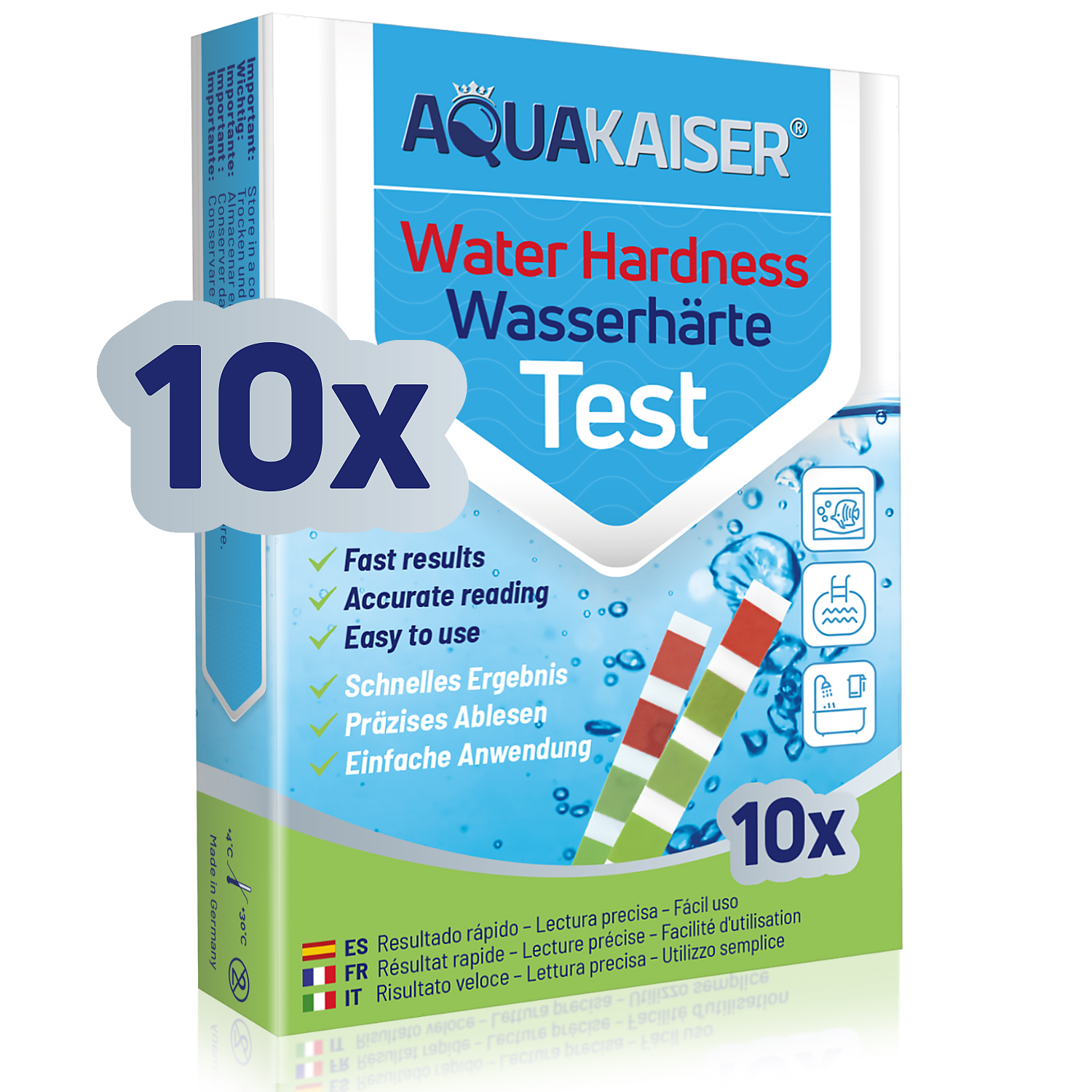
✔ 10 individual test strips
✔ Simple reading by colour scale

✔ Comprehensive information brochure
✔ Test up to 10 rooms

✔ 100 test strips
✔ Incl. multilingual instructions

✔ Analysis of mould genus
✔ Analysis of contamination level

✔ Mould alarm display
✔ Clear display