
What Exactly is Chlorine?
Chlorine is a chemical element that belongs to the group of halogens, along with fluorine, bromine, iodine, and astatine.
In nature, chlorine is only found in combination with other chemical elements. The most important of these compounds are chlorides. The most well-known chloride is sodium chloride, which most people know as table salt.
What is Chlorine Used For?
Chlorine is used in industry for the production of various inorganic and organic compounds. It also serves as an oxidizing agent, bleaching agent, and most importantly, a disinfectant.
It is commonly used in tap water and swimming pools to disinfect the water from bacterial pathogens. The typical “swimming pool smell” is the result of chlorine added to the water.
Why Does Tap Water Taste Like Chlorine?
All waterworks treat water from various sources such as groundwater, springs, or lakes to produce tap water.
After treatment, the resulting tap water is bacteriologically clean and free from pollutants. To ensure this purity is maintained during its journey through the pipelines to the consumer's tap, small amounts of chlorine are added at the point of distribution (chlorination) as a precautionary measure.
Chlorine levels vary by country and region, according to legal limits. For instance, in Switzerland, the limit is 0.1 mg/l, while in Germany it's 0.3 mg/l.
Typically, waterworks add between 0.03 and 0.05 mg/l. However, in specific cases, such as after pipe breaks or repairs, higher amounts may be used temporarily, which can lead to a noticeable chlorine taste in the water.
Is Chlorine in Tap Water Harmful to Health?
In the low concentrations used by waterworks, chlorine is generally considered harmless. Strict limits are set by law, and compliance is regularly monitored.
Even small amounts of chlorine are effective at eliminating bacteria, which makes the minimal chlorine content far less harmful than potential bacterial contamination.
Is Chlorinated Tap Water Safe for Infants and Children?
In general, low levels of chlorine are also safe for infants and young children. However, some experts recommend that pregnant women and parents of infants opt for bottled water instead of chlorinated tap water, especially if the chlorine smell is noticeable.
Opinions vary, and the topic is still under discussion. Besides chlorine, other potential contaminants like heavy metals may also affect water quality for children.
How Much Chlorine Is in Our Tap Water?
Water providers are legally required to notify consumers immediately if chlorine or other contaminants exceed health limits in tap water.
You can also test your own tap water easily with our water analysis kits.
With our quick water tests or professional lab analysis for heavy metals and other risk parameters, possible pollutants in tap water can be identified quickly and easily.
✔ Indoor air analysis for mould and >50 chemicals
✔ The complete worry-free package for your property
Analysis of mould, chemicals and drinking water
✔ For your property
Analysis of mould and drinking water
✔ Legionella, heavy metals and pollutants
✔ For general drinking water and softeners
✔ 12 common pharmaceuticals
✔ e.g., diclofenac, ibuprofen

✔ 20 common PFAS chemicals
✔ Per- and polyfluorinated alkyl substances
✔ Heavy metals and contaminants
✔ For general drinking water testing and water softeners

✔ Most common pesticides
✔ Glyphosate separate analysis
✔ E. coli, coliform bacteria
✔ Enterococci

✔ Risk of transmission during showering
✔ Causes Legionnaires' disease
✔ Focus on bacterial contamination
✔ For general drinking water, softeners
✔ Heavy metals and contaminants
✔ Separate bacteria test recommended

✔ Heavy metals and contaminants
✔ Separate bacteria test recommended

✔ 100 Test strips
✔ For general drinking water, water softeners
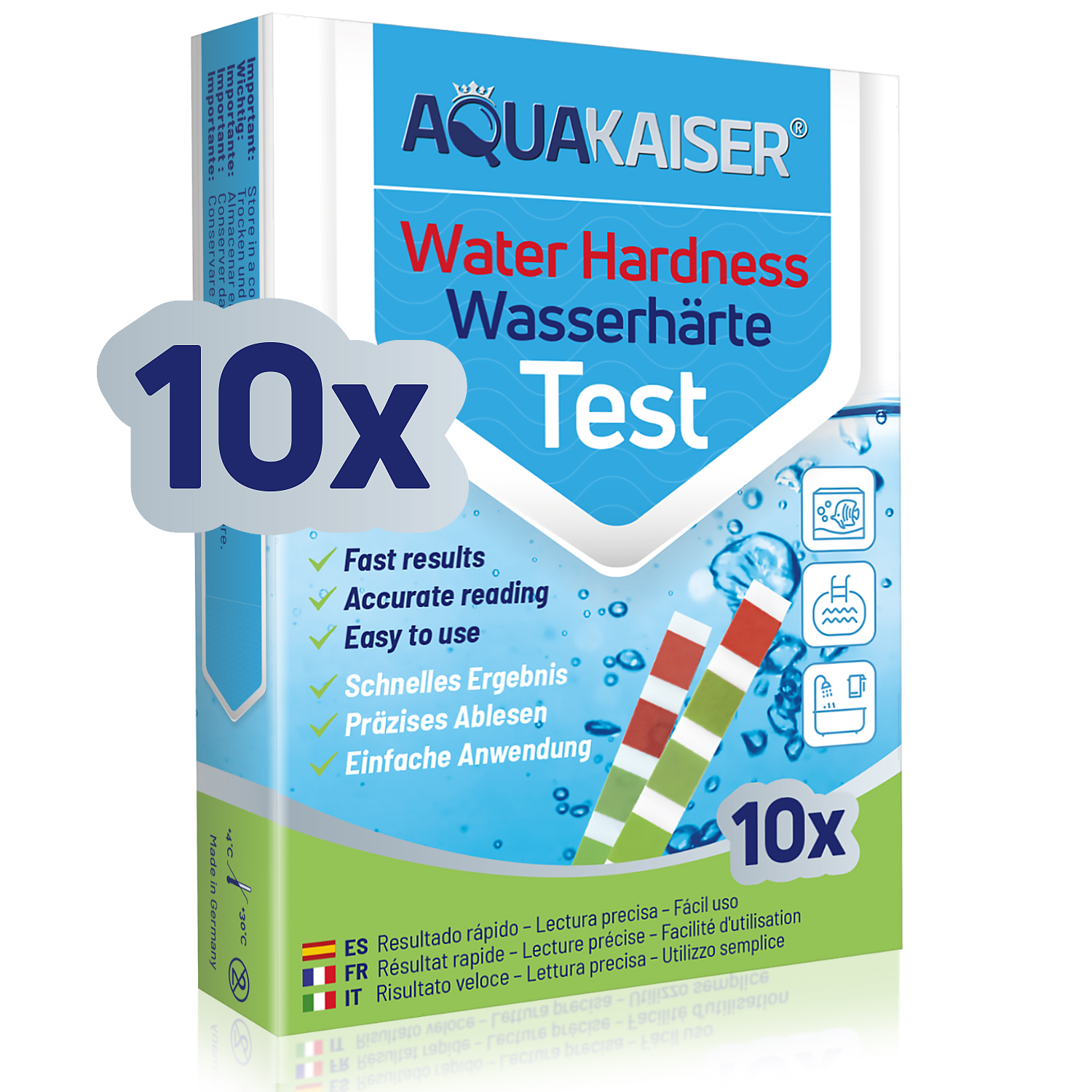
✔ 10 individual test strips
✔ Simple reading by colour scale