
Water Supply in the Canton of Zurich: Sources, Quality and Hardness
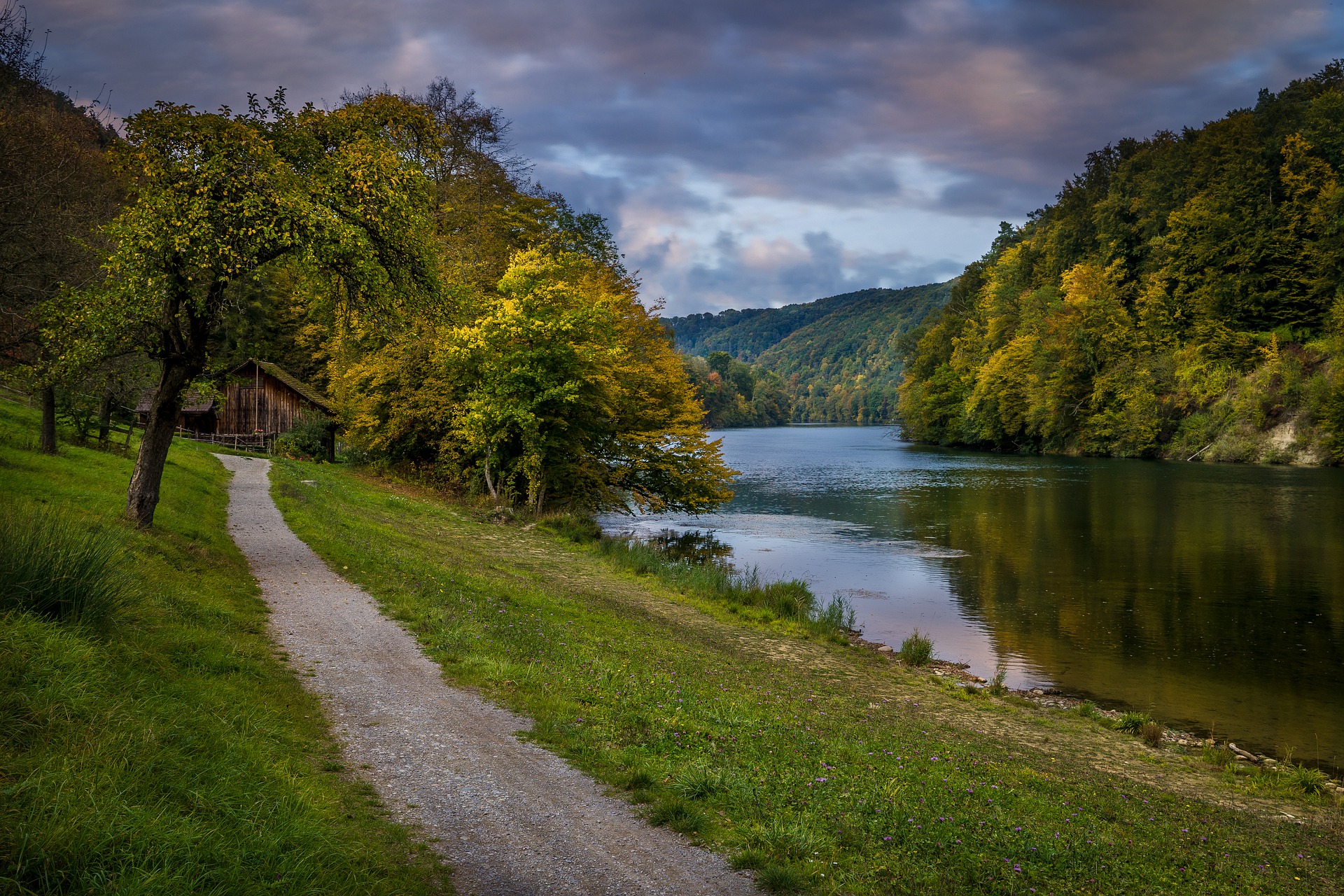
The water supply in the Canton of Zurich relies on several secure sources. Around 40% of drinking water comes from Lake Zurich, while a large share is supplied by regional groundwater resources. Thanks to these reserves, water shortages are very rare.
Municipal water systems are well connected, allowing neighbouring regions to support each other in case of local shortages. Around 95% of the population is connected to the public water supply network.
The supply system is based on several independent sources – if one source fails, others can compensate. The distribution network is modern, reliable and regularly maintained.
How water quality is monitored in the Canton of Zurich
The Directorate of Health is responsible for regularly monitoring drinking water quality. Both the origin of the water and possible changes in quality are carefully supervised.
Chemical analyses detect contaminants such as heavy metals, organic trace substances, nitrates or corrosion-related parameters. Groundwater sources and lake water treatment plants are especially monitored for pesticide residues.
Close cooperation also exists with the water protection laboratory of AWEL (Office for Waste, Water, Energy and Air).
The Cantonal Laboratory Zurich also checks water quality in bathing facilities. Lakes monitored by the Surface Water Protection Section of AWEL include:
- Hüttnersee
- Lake Zurich
- Greifensee
- Türlersee
- six selected smaller lakes
Monitoring follows the requirements of the Swiss Water Protection Ordinance (GSchV).
What is the water hardness in the Canton of Zurich?
Water hardness influences both the taste of drinking water and technical aspects such as limescale deposits in household appliances. It mainly depends on the concentration of dissolved calcium and magnesium ions.
In the Swiss Mittelland region the water tends to be rather hard, while in Ticino it is usually soft. In the Canton of Zurich, water hardness typically ranges between 14 and 18 °fH, although some municipalities show significantly higher values:
- Rümlang: up to 41 °fH
- Volken: 43–46 °fH
- Zumikon: 15–16 °fH (one of the softest water supplies in the region)
Are there challenges for the water supply?
In general, tap water in Switzerland is safe to drink as long as household plumbing systems are in good condition.
However, intensive agriculture and fertilizer use can introduce nutrients such as nitrates into groundwater. For this reason, wastewater treatment plants are gradually being upgraded with additional treatment stages.
Further information about regional water quality can be found at the SVGW (Swiss Association for Gas and Water).
Further information
✔ Heavy metals and contaminants
✔ For general drinking water testing and water softeners
✔ Legionella, heavy metals and pollutants
✔ For general drinking water and softeners
✔ For your property
Analysis of mould and drinking water
✔ Indoor air analysis for mould and >50 chemicals
✔ The complete worry-free package for your property
Analysis of mould, chemicals and drinking water

✔ Heavy metals and contaminants
✔ Separate bacteria test recommended
✔ Heavy metals and contaminants
✔ Separate bacteria test recommended

✔ Analysis for lead also included
✔ Separate bacteria test recommended
✔ Focus on bacterial contamination
✔ For general drinking water, softeners

✔ Most common contaminants
✔ Bacteria analysis available separately
✔ 12 common pharmaceuticals
✔ e.g., diclofenac, ibuprofen

✔ Most common pesticides
✔ Glyphosate separate analysis
✔ E. coli, coliform bacteria
✔ Enterococci

✔ Commonly used pesticide
✔ Possibly carcinogenic

✔ 20 common PFAS chemicals
✔ Per- and polyfluorinated alkyl substances