
Water Softeners - Pros and Cons
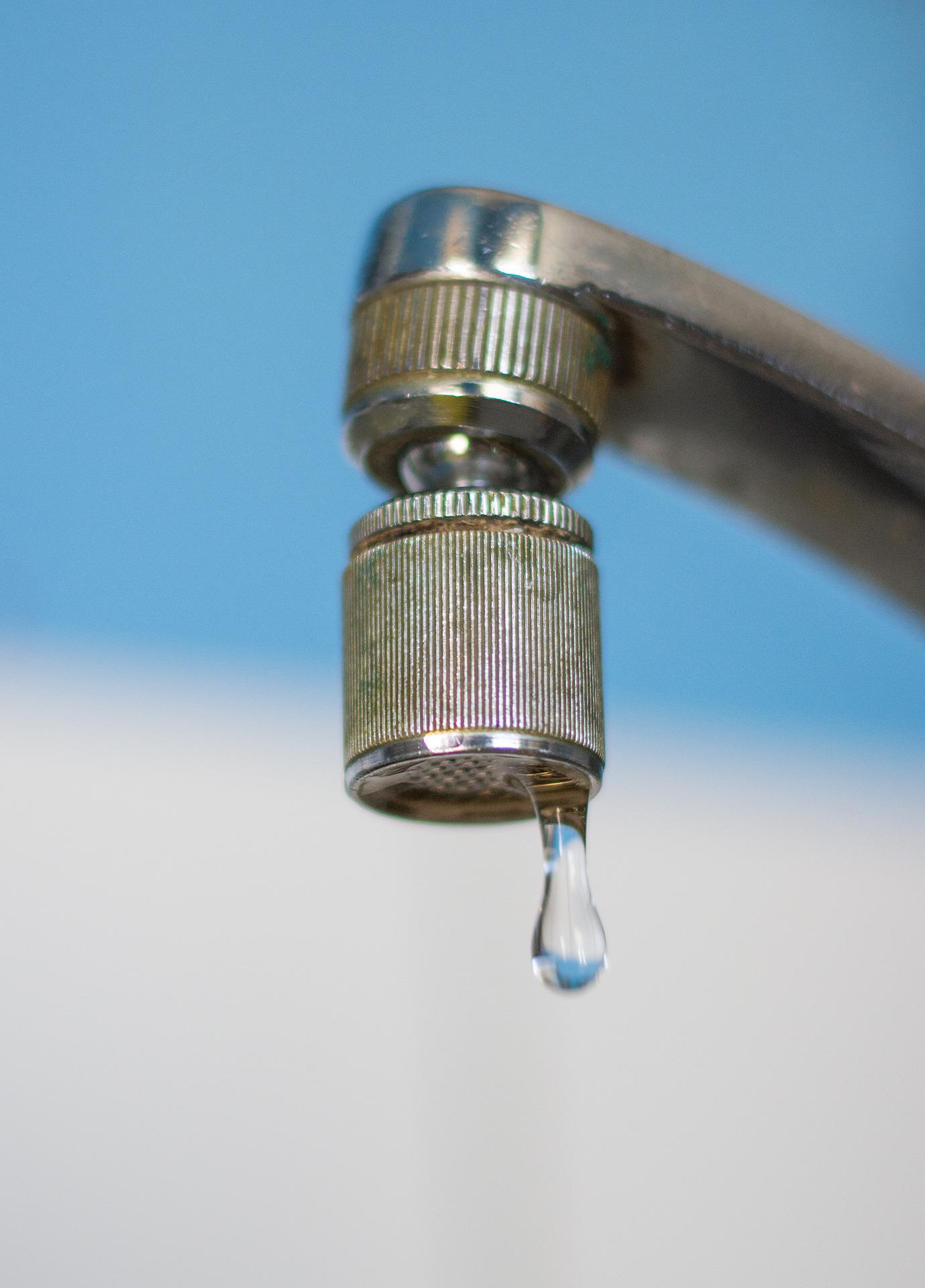
Water softeners are necessary for appliances like washing machines, dishwashers, and coffee machines, extending their lifespan. They are easy to handle, environmentally friendly, and make water pleasantly soft. The need for softeners varies across Switzerland. This article explores their advantages and potential issues.
When are Water Softeners Needed?
Determine if softening is needed by analyzing water hardness using environmental tests. Softeners are recommended if hardness exceeds 14 °dH. Installation occurs at the main cold water supply, protecting all downstream appliances. Optimal water hardness is between 5–7 °dH.
What is Water Hardness?
Water hardness depends on dissolved minerals (calcium and magnesium). Greater mineral content increases hardness. Hardness is categorized as:
- Soft: less than 8.4 °dH
- Medium: between 8.4 and 14 °dH
- Hard: above 14 °dH
Switzerland commonly uses French degrees (°fH). A conversion table is available at aqua24.ch.
Consequences of Hard Water
Hard water leaves lime scale deposits on faucets, surfaces, and appliances, increasing detergent usage, energy consumption, and bacterial growth.
Advantages of a Water Softening System
A softening system prevents lime scale buildup, extends appliance lifespan, protects pipes, reduces bacteria risks, improves skin and hair quality, and saves energy.
Is a Water Softener Harmful to Health?
Softening systems are beneficial, especially for sensitive skin conditions like eczema. However, softened water contains additional sodium, important to consider for cardiovascular health.
How Does a Softening System Work?
Water softening involves ion exchange, replacing calcium and magnesium ions with sodium ions through resin regenerated with diluted salt solution.
Bacteria in the Pipes
A softener prevents bacterial growth by keeping water flowing. However, regular resin maintenance is essential to prevent contamination.
Conclusion
Water softeners are effective and beneficial if properly maintained, providing significant household advantages. Regular maintenance and resin replacement are critical.
✔ Indoor air analysis for mould and >50 chemicals
✔ The complete worry-free package for your property
Analysis of mould, chemicals and drinking water
✔ For your property
Analysis of mould and drinking water
✔ Legionella, heavy metals and pollutants
✔ For general drinking water and softeners
✔ Heavy metals and contaminants
✔ For general drinking water testing and water softeners
✔ E. coli, coliform bacteria
✔ Enterococci

✔ Risk of transmission during showering
✔ Causes Legionnaires' disease
✔ Focus on bacterial contamination
✔ For general drinking water, softeners

✔ Heavy metals and contaminants
✔ Separate bacteria test recommended

✔ Analysis for lead also included
✔ Separate bacteria test recommended